.png)
Who gets the dog/cat/gerbil/parrot in a divorce?
For many people, pets are as much a part of their family as their children. So, understandably, when going through a divorce, a question that often gets asked is "who gets to keep the pet?"
The answer often surprises people.
Pets are Considered Property
Pets are not treated like children in an Arizona divorce. See Foor v. Smith, 243 Ariz. 594, 600 (App. 2018) “[a]nimals are not children”. Under Arizona law, they are considered personal property, meaning the court does not decide who is the "better pet parent," nor does it create custody or parenting-time schedules for pets.
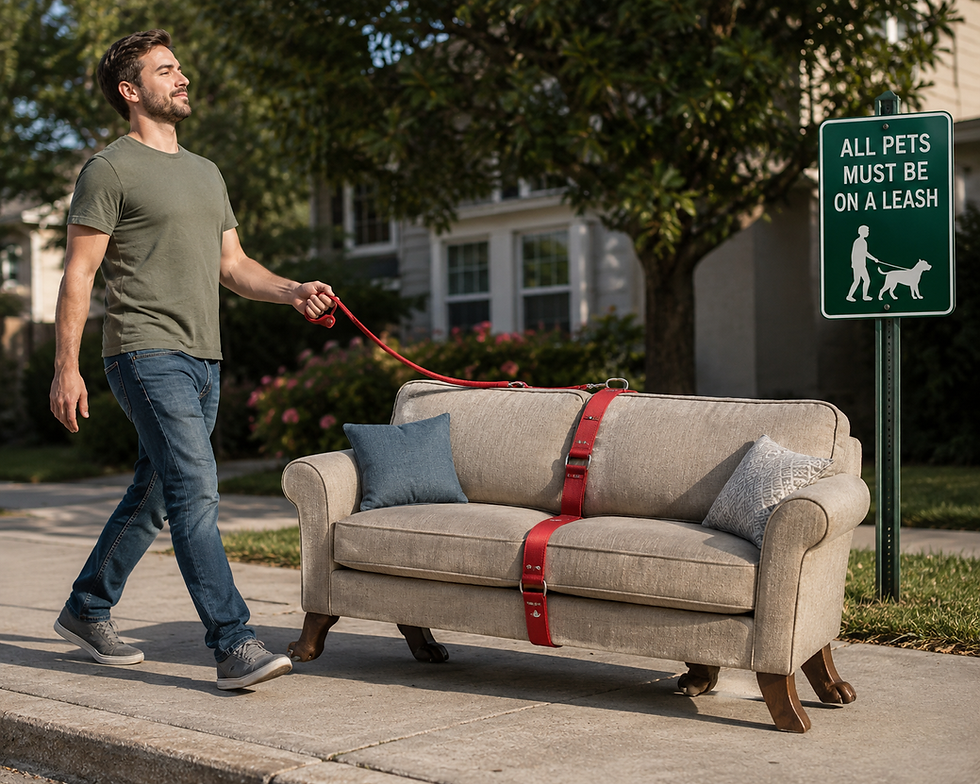
In the eyes of the law, your beloved Mr. Whiskers is treated much like any other piece of personal property, even your couch. As strange and "wrong" as that sounds, the Court's role is to award ownership of the property to one party, not to order you to share it after the divorce. Just as a Judge would never order you to exchange your couch every other week, the court generally will not order you to exchange your dog, cat, or gerbil either.
Does the Court Order Pet Custody?
In short: no.
Unlike children, there is no legal framework in Arizona for courts to order:
Pet custody
Visitation schedules
Shared parenting time
Holiday schedules for pets
Decisions based on the pet's best interests (who takes care of the pet more)
Division of expenses (food, vet bills, etc.)
If the parties cannot agree, the court will typically determine which spouse will receive ownership of the pet, or the pet will have to be surrendered to a shelter. To avoid having to make this heartbreaking choice, it is a good idea to address pet issues early on, and try to reach an agreement with the other side as to who keeps the pet, who will be responsible for the pet's expenses, etc.
Can You Agree to Share the Pet?
Absolutely.
While family court will generally not create a "pet custody arrangement," there is nothing preventing divorcing spouses from reaching their own agreement if they both want to continue sharing a pet.
For example, parties may agree that:
The dog spends alternating weeks with each owner.
One spouse keeps the pet during the school year while the other has the pet during the summer.
The parties split veterinary expenses or grooming costs.
One party has visitation with the pet on certain weekends.
That the dog/cat/gerbil follow the same parenting time schedule as the children. In essence, when you exchange the kids, you exchange the pet. (Note: this is ususally only an option when the exchange takes place at each parties' homes, not when the "exchange" is picking up the children from school.
If both parties agree, they can include "pet custody" or a "pet parenting plan" as part of their overall divorce settlement.
How Does the Court Decide Who Gets the Pet?
If the parties cannot reach an agreement, the court may consider traditional property principles, including factors such as:
Who purchased or adopted the pet.
Whether the pet was owned before the marriage.
Whether the pet was a gift to one spouse.
Other evidence relevant to ownership.
Ultimately, the court's goal is to assign ownership of the property, not determine which home the pet would prefer, or which party is the better pet parent.
We Can Help
At Morse Law Group, we understand that pets are often cherished members of your family, even if Arizona law treats them as property. Whether you are negotiating a settlement or litigating disputed property issues, our experienced Arizona family law attorneys can help you protect what matters most and work toward practical, lasting solutions.
If you have questions about how pets (or any other property) will be handled in your divorce, contact our office to schedule a consultation.
Comments